

Sweet disputes in Poland – MICHAŁKI candies
A market success on a FMCG market largely depends on the presentation of the product, in particular the packaging and designations. Therefore, producers care about the attractiveness of the appearance of a product, a brand recognition, and a clear distinction from competing goods. However, there are situations in which, e.g. due to the history of the product or brand, various manufacturers may use similar signs or usurp the right to use similar designations. For example, one recalls the ongoing disputes in various countries related to Budweiser beer, and on the Polish market to various spirits (see: https://zglegal.pl/fighting-for-control-over-the-alcohol-market-in-poland/alcohols) or sweets (Delicje, Ptasie mleczko).
The same case is with the famous Michałki candies with chocolate-nut filling. In the judgment of 17 July 2020, the Voivodship Administrative Court dismissed the complaint against the decision of the Patent Office of the Republic of Poland invalidating the word trademark Michałki R. 162781, registered for ZPC Śnieżka S.A. (judgment of the Voivodship Administrative Court of July 17, 2020, file ref. VI SA / Wa 1709/19).
Michałki candies (the name derived from a male name Michael) have been offered on the Polish market from the mid sixties of the XX th century. First they were produced by three factories belonging to a state owned Zjednoczenie Przemysłu Cukierniczego according to the same recipe and branch norms. Zjednoczenia did not register the trademark. After Zjednoczenie was liquidated due to political changes in Poland in the nineties, one of the producers registered the Michałki trademark disregarding other producers. All interested parties settled before the Patent Office and decided that the term Michałki will be regarded as generic and may be used as a trademark only with additional distinctive elements. Then the settlement was assumed invalid but all parties approved of the fact that the use of the term Michałki is common on the Polish market.
For this reason, various manufacturers use additional elements to distinguish their products.
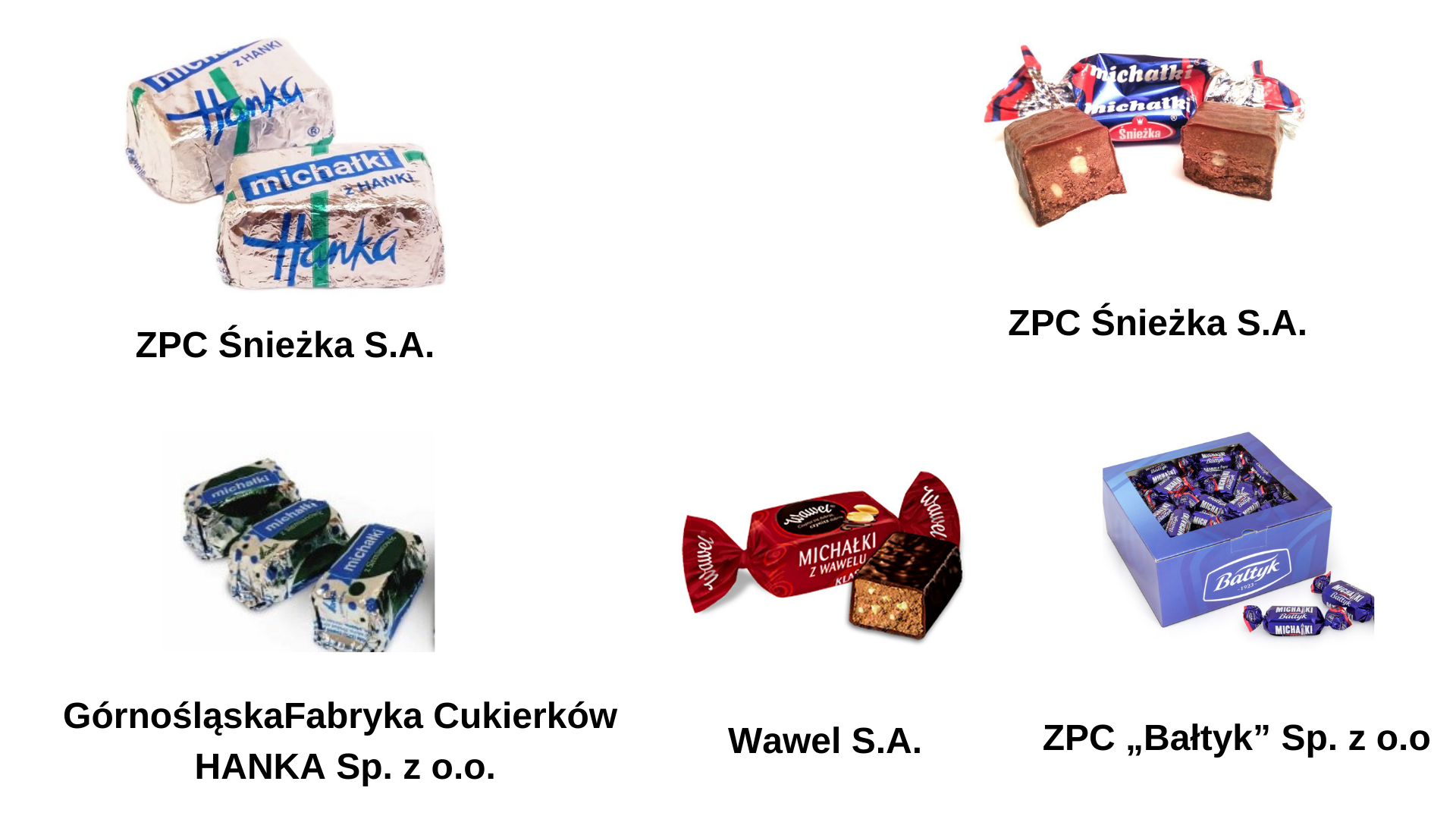
Due to the specifics of the designation, there have been many disputes around the popular Michałki candies. This time the invalidity proceedings regarding the Michałki word mark, registered for Śnieżka SA („Śnieżka”), were initiated by the company Hanka-Invest sp. z o.o. („Hanka”), which argued that the application of the Michałki trademark by Snieżka was made in bad faith and that the trademark is not distinctive. Hanka claimed that the intention of Śnieżka’s actions was to block other entities from accessing the market and that Śnieżka, at the time of filing the mark, was aware that there were confectionery products called Michałki on the market produced by various entities.
The Voivodship Administrative Court upheld the decision of the Patent Office confirming the existence of bad faith in the application of the Michałki word mark. Śnieżka was aware of the use of the contested sign in trade by other entities, so the purpose of the trademark application was to block offering of the same products by other producers. Moreover, in the times of the centrally planned economy all entities operated under a single trade union, which decided on the recipe of the goods and the name of the sweets.
What follows from the said judgement? Polish consumers will still enjoy the taste of chocolate-nut candies without any restrictions. They will still be able to choose their favorites from several manufacturers. The case at hand also confirmed that attempts to apply for trademarks with a sole purpose of eliminating competition cannot be successful. The rightness of the decision does not raise any doubts. The case may or have already been brought to the Supreme Administrative Court.

See more:
Review of CJEU case law from 2.02.2026 to 6.02.2026
Judgment of 5 February 2026, EUIPO v Nowhere Co. Ltd, Case C‑337/22 P – The case concerned opposition proceedings relating to the application for registration of the EU figurative trade mark APE TEES: – On 30 June 2015, Mr Ye filed an application for an EU trade...
Review of CJEU case law from 26.01.2026 to 30.01.2026
Judgment – of 28 January 2026 – Montepelayo, SLU v. EUIPO, Case T-203/25– The case concerned opposition proceedings against the registration of an EU word mark. – Montepelayo, SLU filed an EU word mark application for TELOTRÓN for goods and services in Classes 5...
Review of CJEU case law from 19.01.2026 to 23.01.2026
Hesse v EUIPO – 19.01.2026 – Ferrari (TESTAROSSA), Case C‑597/25 P– The case concerned the procedure under Article 58a of the Statute of the Court of Justice for determining whether an appeal against a judgment of the General Court in EU trade mark proceedings should...